
Why Does My Fence Gate Keep Sagging? | Oklahoma City Fence Gates
Why Does My Fence Gate Keep Sagging?
A shove-and-hope routine isn't a fix. Here's how to find out what actually moved — before you spend money guessing.
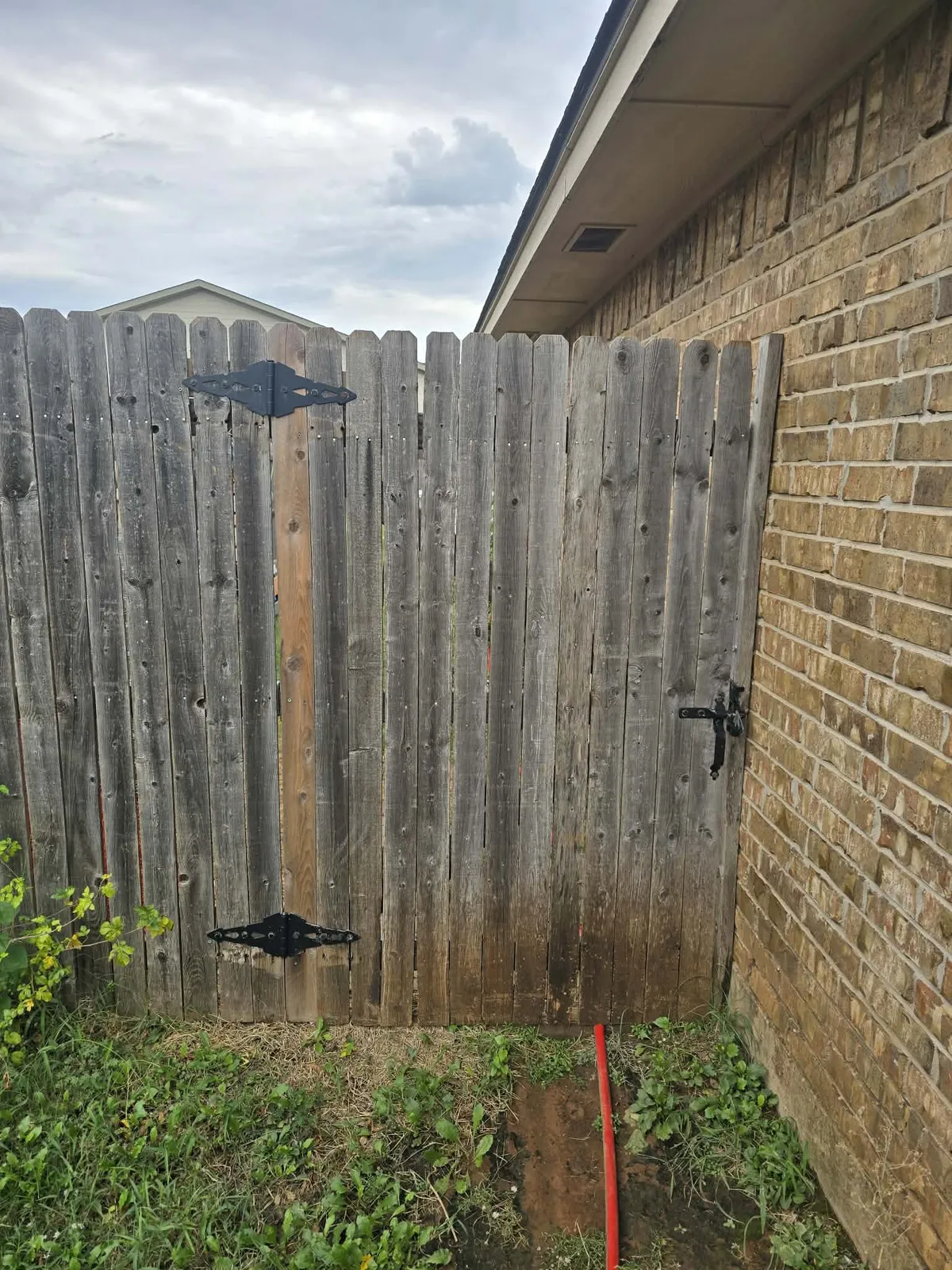
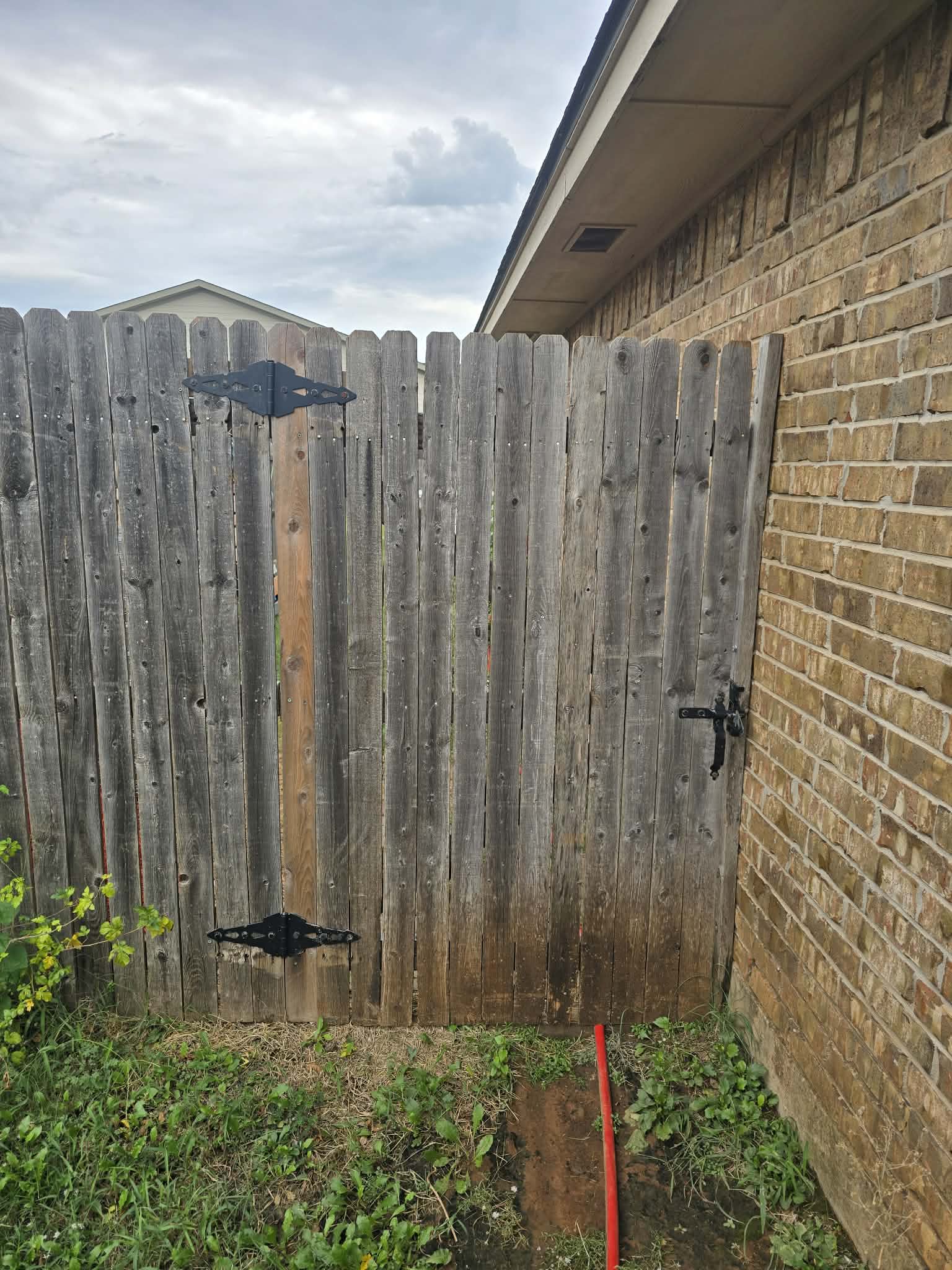
You know the routine. You lift the gate a little, shove it toward the latch, and hope it catches. Maybe it worked fine when the fence was new. Now it drags across the ground, the latch misses, or the two sides of your driveway gate bump into each other.
A sagging gate is frustrating, especially when that gate is what keeps your dog in the yard. The good news is that it doesn't automatically mean you need a whole new fence.The first step is figuring out what actually moved.
A fence gate is different from the rest of the fence. The fence line has posts supporting it at regular intervals. A gate hangs from one side, swings open and shut, and puts repeated stress on its hinges, frame, and supporting post. If any one of those parts starts to give, the problem shows up at the latch end.
Start With the Gate Post
Before you adjust a hinge, look at the post the gate hangs from. Stand back and see whether it is still straight. Then check it at ground level. Does the post move when you gently push on the open gate?
If the post is leaning or loose, adjusting the gate may make it close for a little while, but the opening will keep changing. The post has to support the gate's weight every time it swings. A wider or heavier gate asks even more of it.
Oklahoma factor:wind puts real force on a solid privacy gate. We pay particular attention to gate posts because a well-built gate still needs a solid place to hang.
Check the Frame, Not Just the Pickets
Sometimes the post is solid, but the gate itself has dropped out of square. Look at the space around the gate when it's closed.
Is the gap wider at the top than at the bottom?
Does the latch-side corner sit noticeably lower than the hinge side?
Do the pickets line up at the top where the gate meets the next section?
Those are clues that the frame may be sagging. Pickets add weight, but they shouldn't be the only thing holding the gate together. The frame needs to stay rigid as the gate opens, closes, and gets caught by the wind.
For our wood fences, we use a 2x4 cross brace in compression. In high wind areas we recommend a steel frame, they give the gate a stronger structure behind the wood and help it hold its shape through years of use. The frame is only part of the equation, though — the post and hardware still have to be right for the gate.
Hinges and Latches Can Cause Trouble Too
If the post is straight and the frame still looks square, take a closer look at the hinges. Loose fasteners, worn hardware, or hinges that were undersized for the gate can let the latch side drop.
A latch can also be the problem even when the gate isn't sagging much. If it has shifted or worked loose, it may no longer catch cleanly — usually a more straightforward fix than rebuilding a gate, provided the structure behind it is sound.
QUICK DIAGNOSTIC
Open the gate partway and gently lift the latch-side edge.
Movement at the hinges? Inspect the hardware and where it attaches.
Whole post moves? Start there.
Neither moves, but the gate looks crooked? The frame deserves a closer look.
Why Does My Gate Stick After Rain?
Wood changes with moisture. After a stretch of rain, a gate or the boards around it may swell enough to make an already tight opening harder to use. Ground conditions can also affect a post.
If your gate sticks only during wet weather, take a few photos and check it again once conditions dry out. Don't start cutting boards or moving the latch until you understand whether the opening has permanently shifted. What looks like a small clearance problem could be a post or frame problem beginning to show itself.
Can a Sagging Gate Be Repaired?
Often, yes. The right repair depends on the cause.
Hardware loosened but post and gate solid → an adjustment or hardware repair may be enough
Post has moved → it may need to be reset or replaced
Gate frame has lost its shape → a new gate may make more sense than repeatedly adjusting the old one
That is why we don't like guessing from a photo of the latch alone. We want to see the post, the full gate, and the surrounding fence. Otherwise, it is easy to fix the part you can see while leaving the actual cause in place.
For a double drive gate, both gate posts and both leaves matter. Getting one side to latch won't solve much if the posts are moving toward each other or the gates no longer line up.
Don't Ignore a Gate That Won't Latch
A gate that needs an extra shove today can become a gate that won't close at all after the next storm. If you have dogs or small children, that can turn an annoyance into an urgent problem.
Take a few minutes to inspect it now. Look for a loose post, a crooked frame, moving hinges, and a latch that no longer lines up. If you're unsure what you're seeing, get the whole gate evaluated before spending money on repeated adjustments.
If you're planning a new fence or replacing a troublesome gate in the Oklahoma City metro, we can help you choose a setup that fits the opening and holds up to regular use.
Need a Gate That Works the Way It Should?
Contact Legacy Fence & Construction to talk through your project.